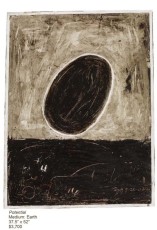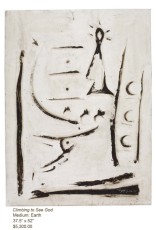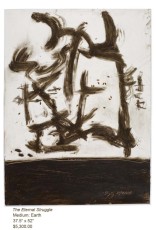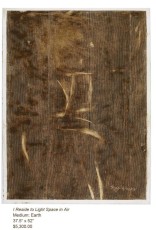
IOWA JUSTICE, IOWA EARTH: THE PAINTINGS OF MADAI TAYLOR
Join us for the Opening Reception: April 10th 5PM – 7PM
Wine, beverages and hors d’oeuvres provided.
On view: April 10th – May 22nd, 2026
“I am not necessarily trying to create a pretty picture, but to communicate the violence that has taken place against the planet and humanity.”
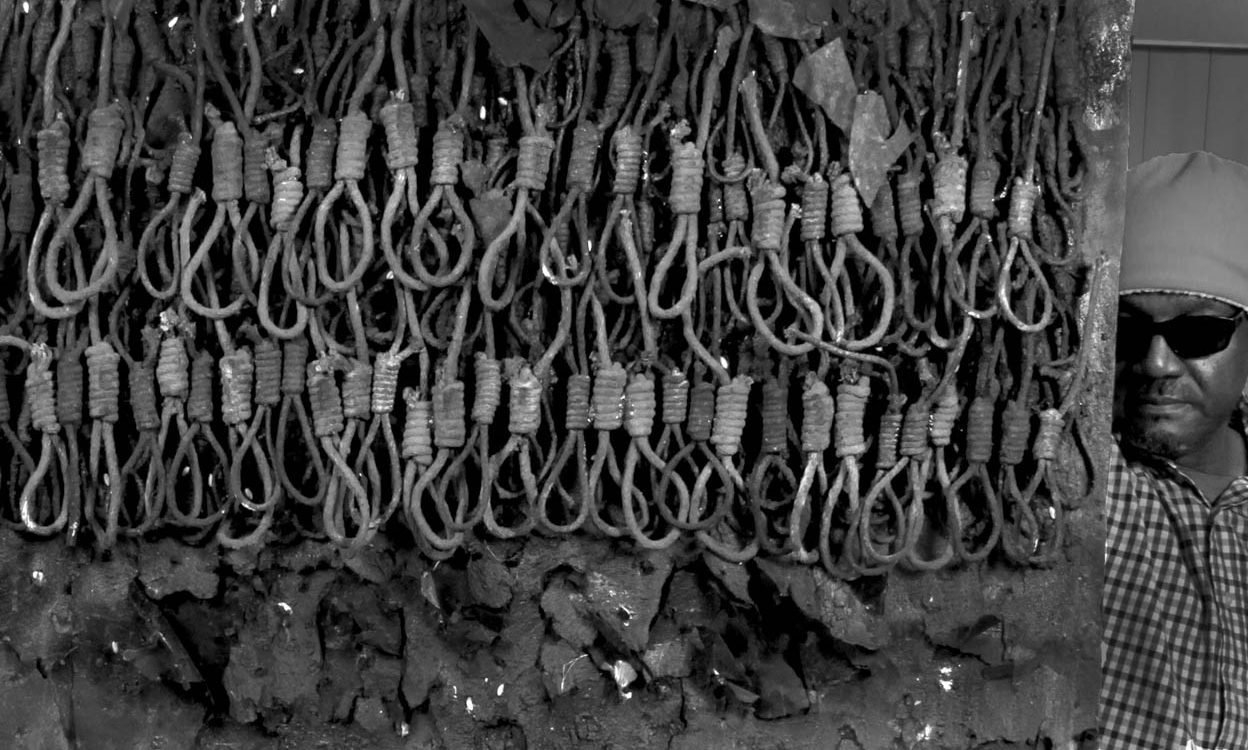
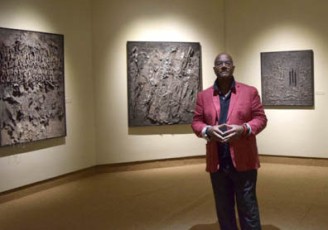
These are the words of Madai Taylor, an Arkansas born artist who has resided in Iowa for over 30 years. His life in Iowa has informed his work.
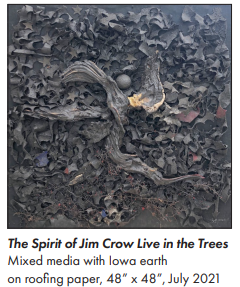
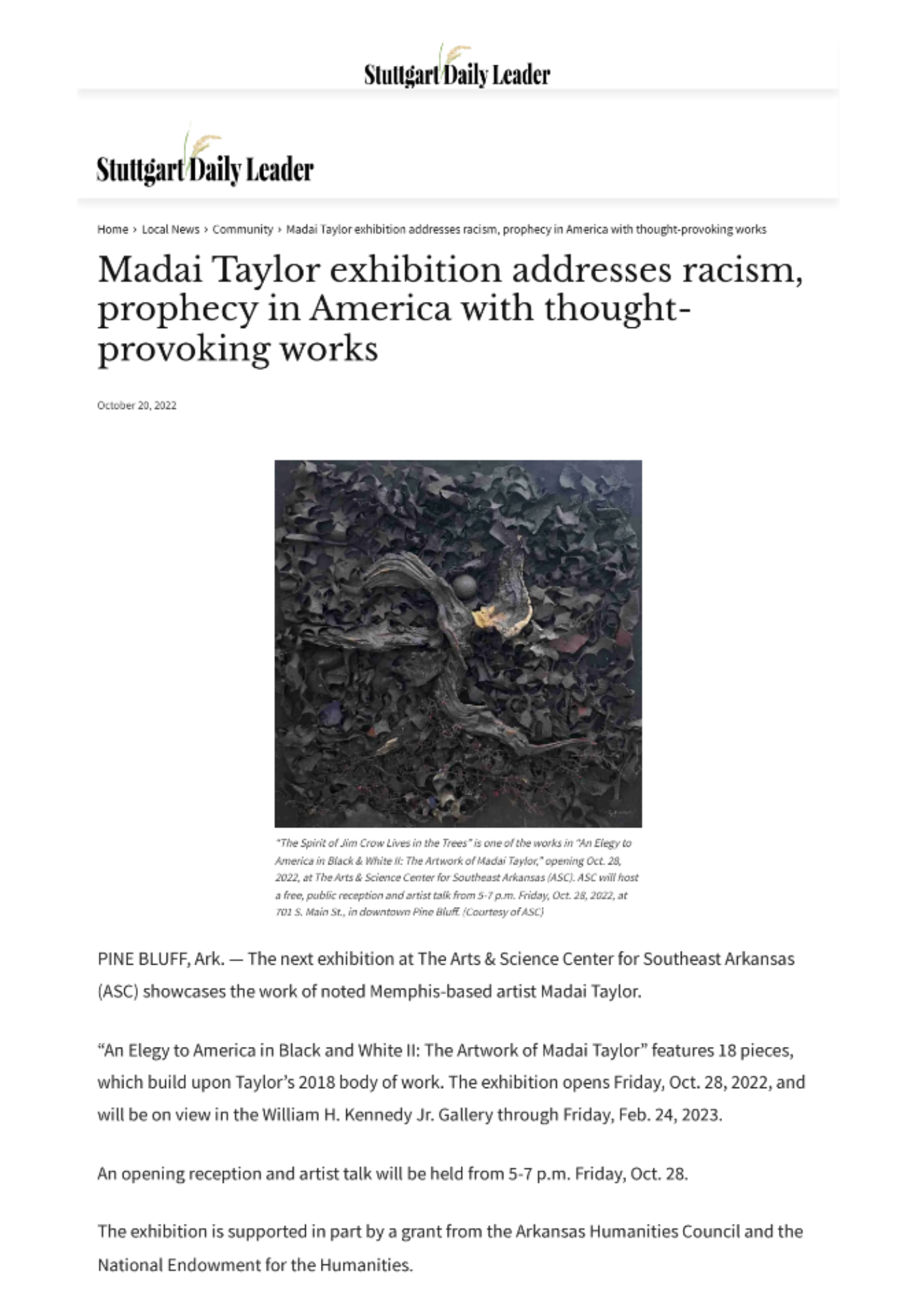
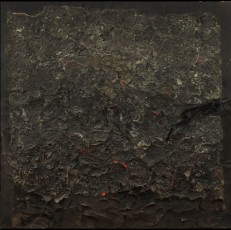
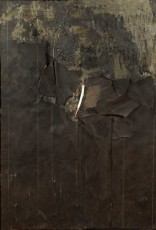
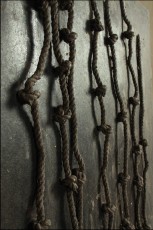
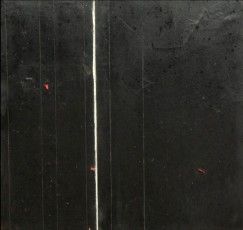
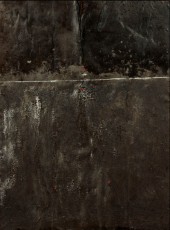
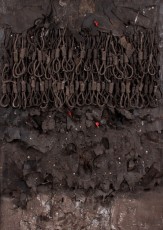
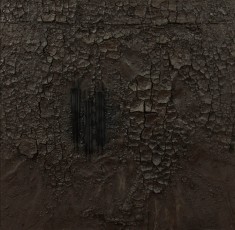
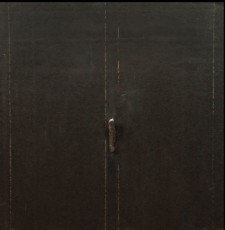
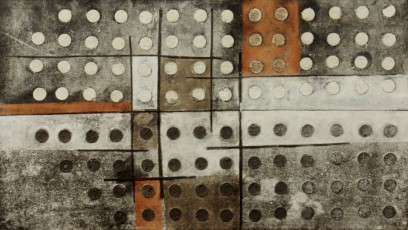
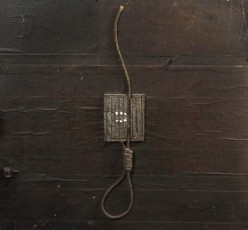
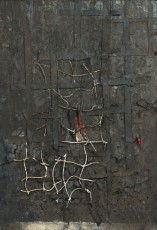
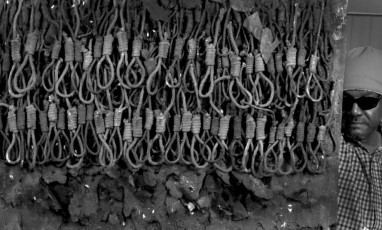
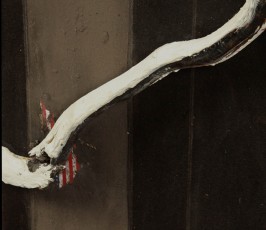
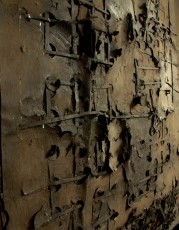
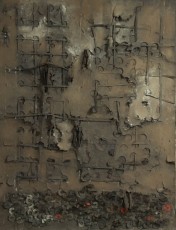
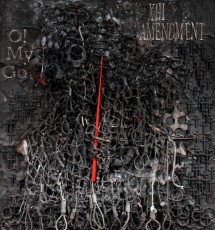
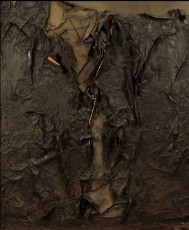
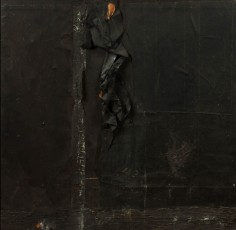
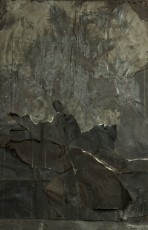
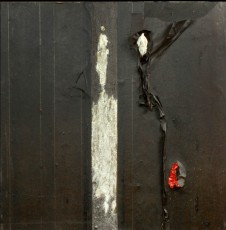
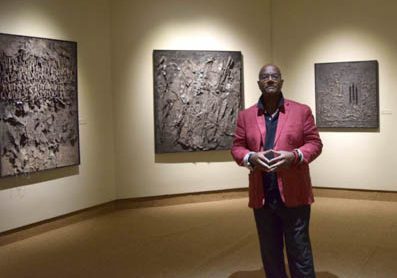
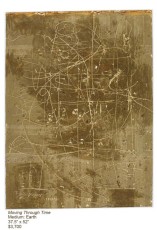
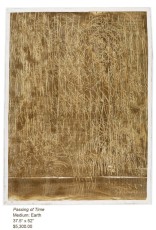
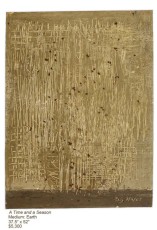
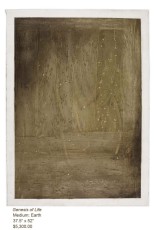
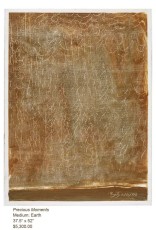
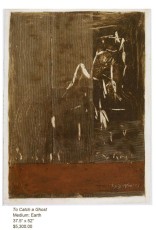
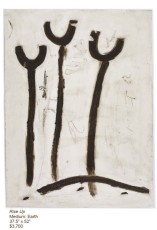
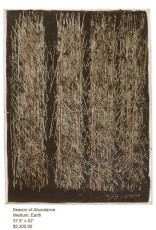
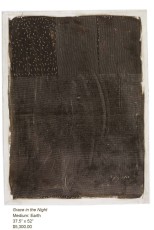
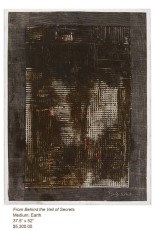
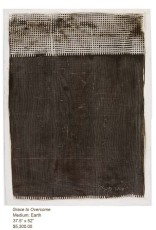
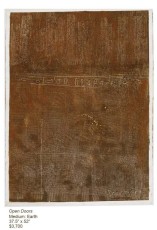
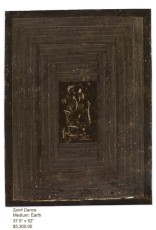
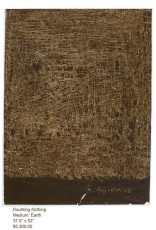
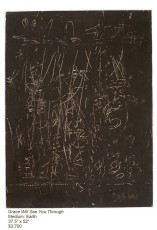
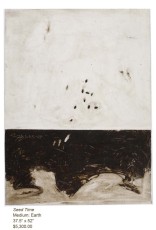
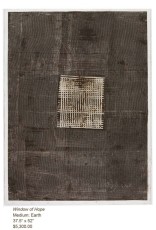
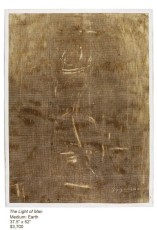
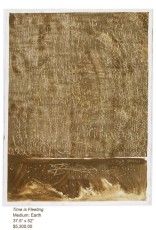
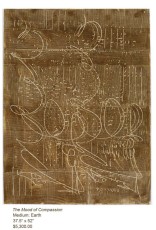
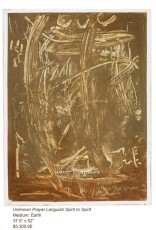
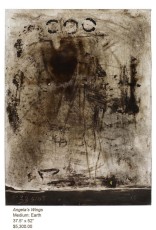
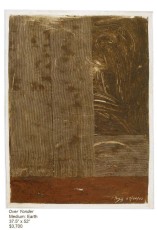
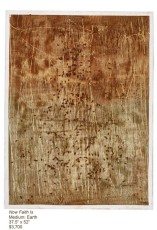
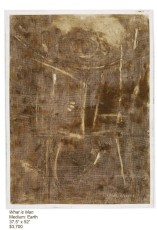
The artworks in his series, When the Earth Cries, from which these works are drawn, are formally abstract but their ideas are clear, envisioning his awareness of the deep connections between land and people, between environmental and racial injustices.
“There’s a lot to be said when it comes to justice in Iowa – and there’s a lot to be done,” Taylor says. “Given that it’s predominantly white, there are a lot of things that relate to the few Black people that are in the state – about 2% of the population: there still are inequalities.” He describes how the fusion of racial and environmental injustice results in economic corruption, seen, for instance in the allocation of barren or toxic land to the poorest citizens. “Many Black communities are situated in flood areas,” Taylor explains. “The whites mainly have moved out so environmentally that affects us, and economically that afflicts us.”
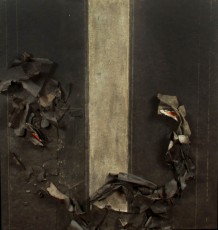
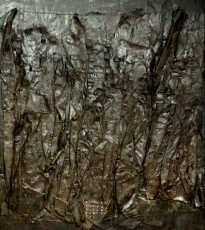
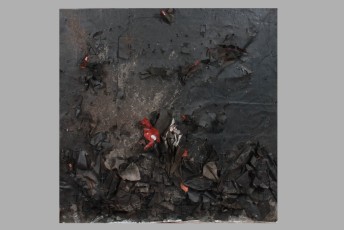
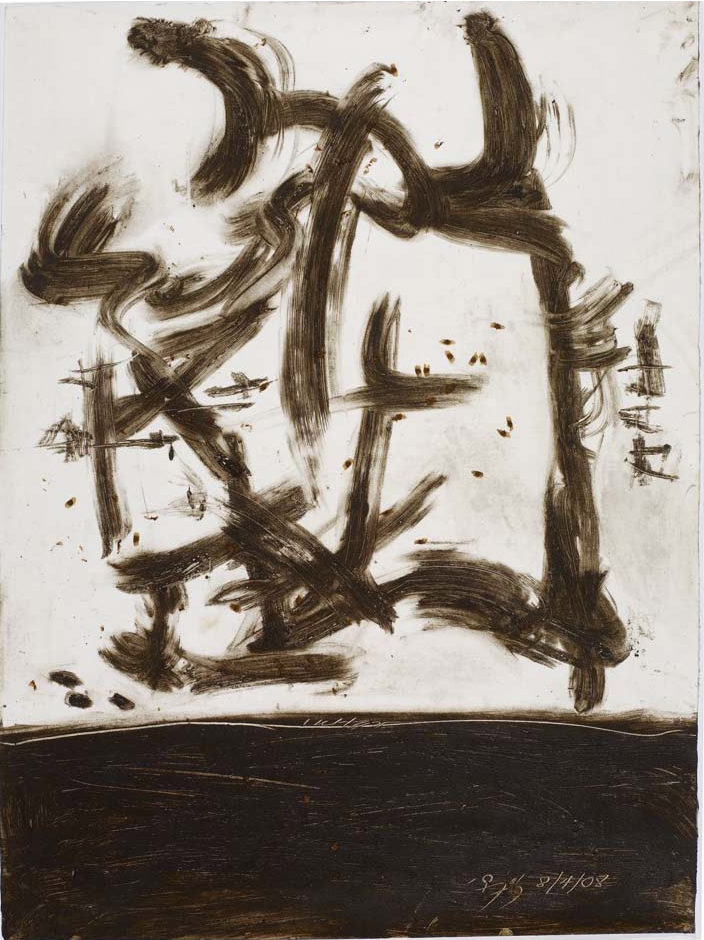
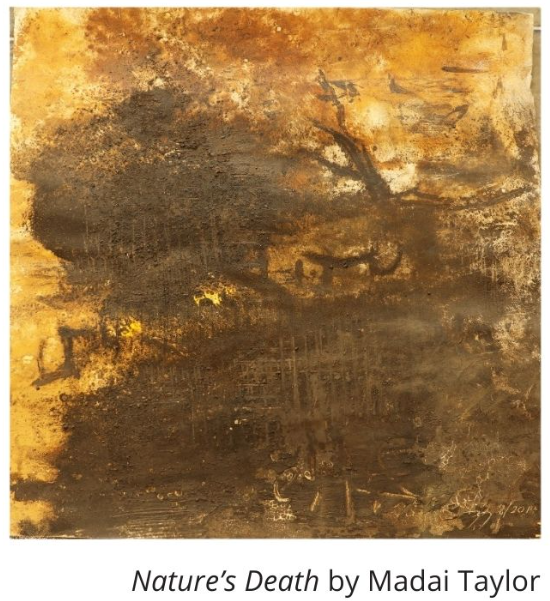
Instead of striving to create meticulous depictions of recognizable objects or things, Taylor’s process is one of immediacy and spontaneity. He surrenders some control, allowing the materials to work together in unison: the pigment interacts with the distressed paper leaving markings that create analogies to surfaces such as skin or topography. The resulting abstract marks suggest the punishing treatment of the earth. The same marks denote a similar harshness in relation to the human body. “The earth in and of itself is a medium that sustains life. It is a primordial material that is older than man himself, yet it is directly tied to our lives. We have the same particles or minerals in our own body.”
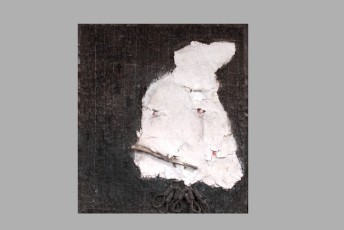
Soil rather than oil paint or watercolor serves as Taylor’s primary pigment. He discovered that the soil in different areas yields different color pigments: a golden color is from Tennessee earth; tan is from Arizona; a reddish tint originates from Wisconsin. The darkest soil is from Iowa. The soil is important not only as a pigment but brings its own fraught history. Recently, Taylor has worked with a Native American group in Iowa and received permission to use their earth in his art. The artist has layered in collage elements such as broken sticks, feathers, and wire, creating complex emotional terrain.
Each of Taylor’s artworks invite us to explore ideas and emotions rather than trying to identify objects in the painting correlating to those in the outer world. A vortex of dry pigment, a deep red furor, a gash in a black surface – all of these evoke images from history and from the environment, referring at once both to land and people. The ideas presented in his abstractions make visible relationships in the world that are generally hidden. They convey difficult truths with a force and beauty of their own.
Excerpted and adapted from “Madai Taylor’s Art” by Dr. Lenore Metrick-Chen in Sacrifice State: Iowa Voices on Environment and Justice, Drake Community Press, 2023.
In collaboration with the Iowa Environmental Council.